
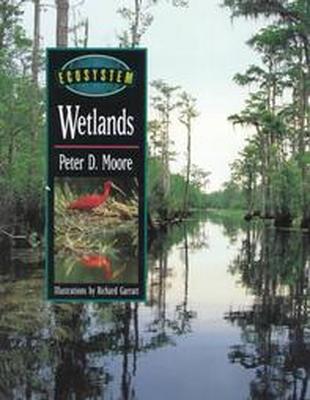
Wetlands
- Binding: Library Binding
- Publisher: Facts on File
- Publish date: 12/01/2000
Ecosystems are presented in their entirety with details on their history, biology, wildlife, beauty, problems, and influence on culture. This interdisciplinary approach emphasizes the complex, interrelated nature of each biome, giving readers the most integrated portrayal of the natural world available. Coverage offers a basic introduction to ecological concepts and demonstrates how these concepts affect the relationship between humans and their environment.
The Ecosystem set provides a lively and detailed exploration for high school students, undergraduates, and general readers.
Wetlands are comprised of a wide range of habitats -- from saline, coastal marshes and mangrove swamps to the rain-fed mires of the world's wet mountains, from the tundra mires of the Arctic to the shallow lakes and fresh marshes of continental interiors. This volume is the first comprehensive account of the biological and physical richness of these areas and how their complex ecological systems function. It describes the numerous plants and animals that have adapted to the wetland way of life. It also examines human exploitation of wetlands and the threats to their continued existence.
Coverage includes:
-- The major wetland types of the world, including their geography, chemistry, and biology
-- Distinctive features that allow wetlands to function, including water flow, nutrient movements, food webs, and decomposition
--Their influence on human history and culture and how human cultural development has impacted wetlands
-- Conservation of existing wetlands and the rehabilitation of those that have already been damaged.

